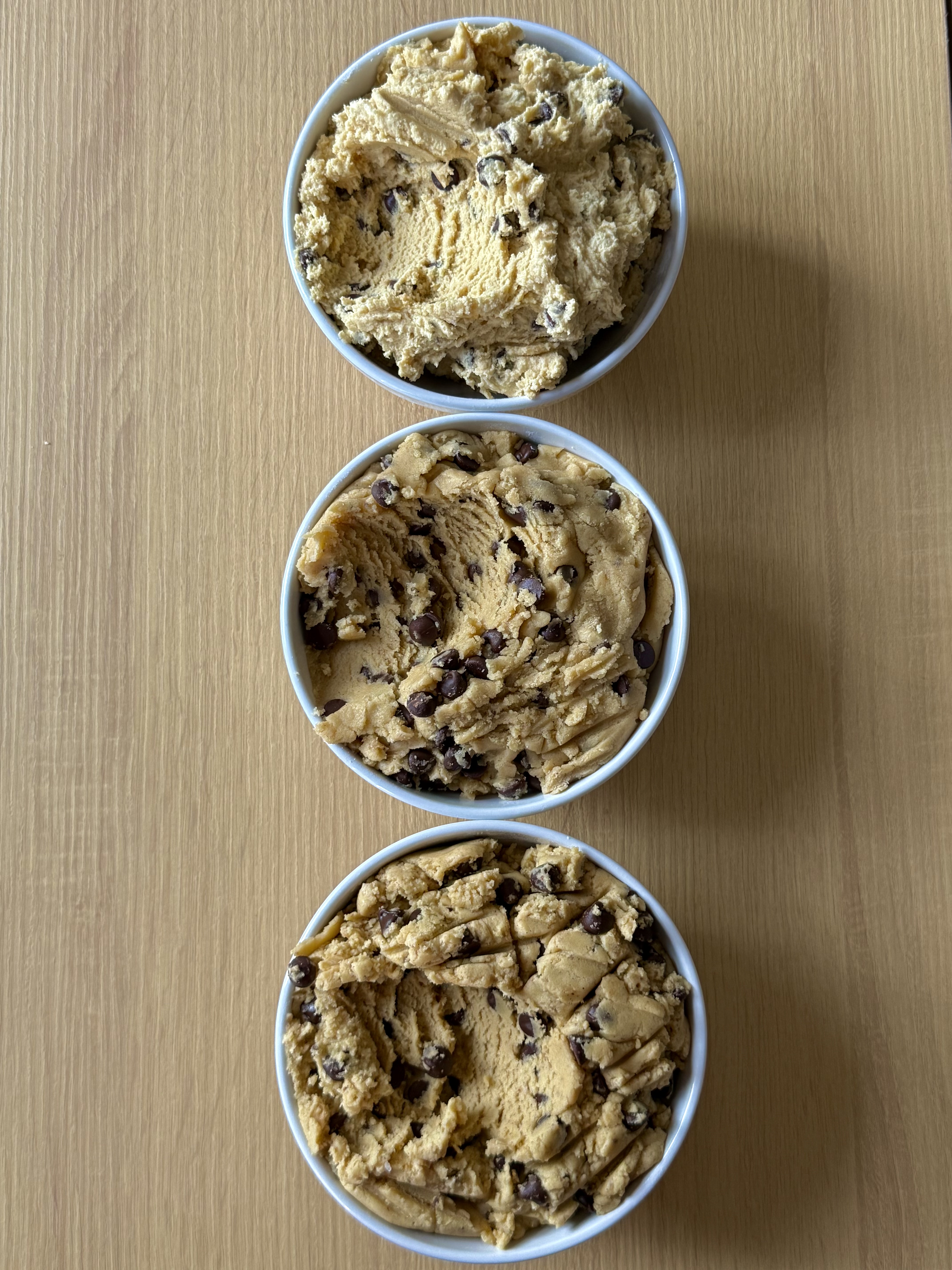
Welcome to Cookie Anatomy, the series where we break down and analyze how each component of a cookie contributes to the makeup of the final result, ending with us rebuilding the perfect cookie from the ground up.
This week is all about butter.
What is butter?
Butter is typically comprised of about 80% butter fat, 18% water, and 2% milk solids.
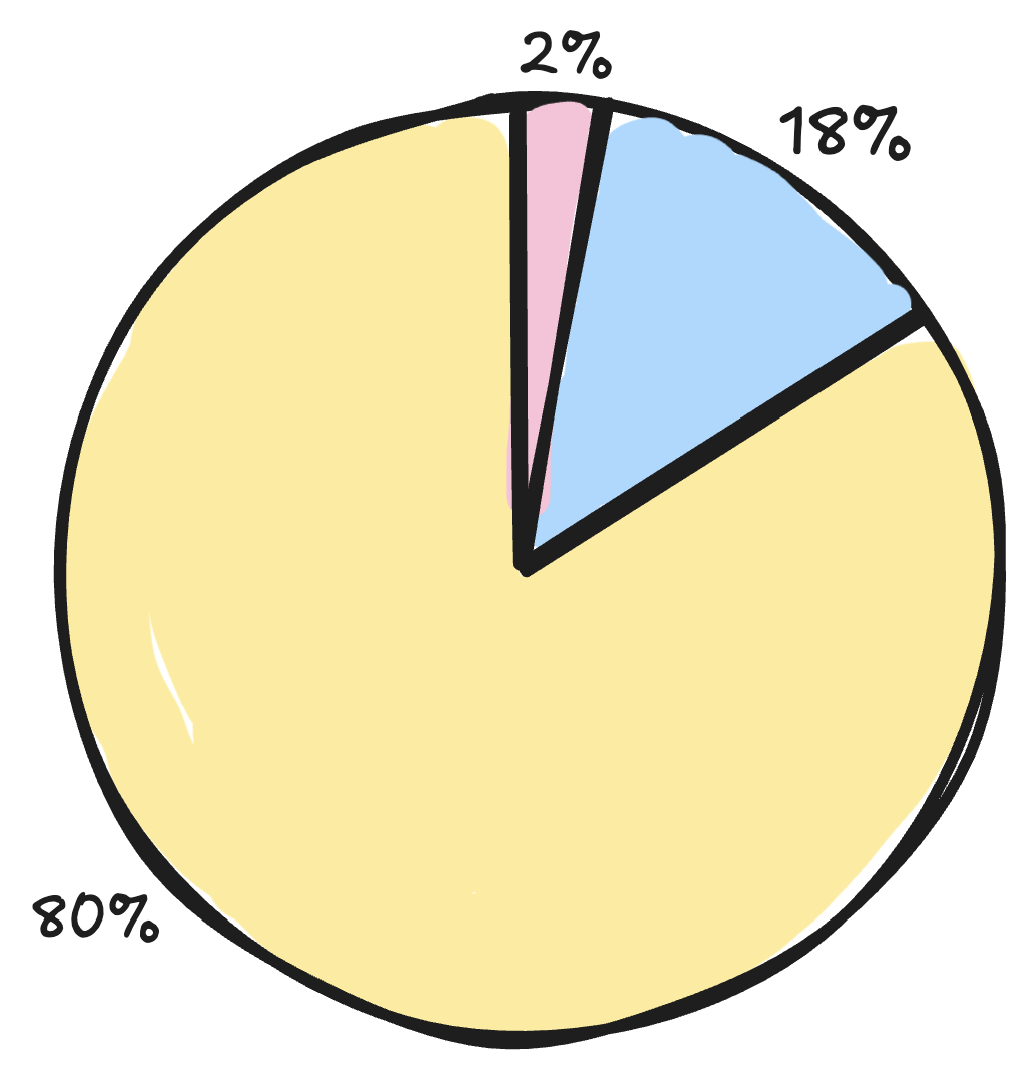
Different brands of butter will have different variations of this composition, with European butters typically consisting of higher percentages of butterfat. I used Kirkland Signature Unsalted Butter in my experiments.
Fat
Anyone who’s heard of Salt Fat Acid Heat knows that fat carries flavor. It’s what causes aromas to linger on your tongue. Compare this to aromas dissolved in water, which get quickly washed away by your mouth’s saliva. Butter is especially good at this because it’s one of the few fats with a melting temperature very close to a human’s body temperature, creating that “melt in the mouth” experience. It’s also a major factor in what makes baked goods tender. This is because fat inhibits flour and water from fully combining and producing gluten, which is what gives bread it’s more tough, chewy, and structured mouthfeel - not what you want in a cookie. Lastly, it’s also what creates longer lasting moisture, since it doesn’t just evaporate away in the oven. It’s an important element in baking, but fat is not all butter is…
Water
Butter is a careful emulsification of fat and water, unlike shortening which is just pure oil in solid form. This water content is important in baking for two reasons. Firstly, when creaming sugar and butter together, as is the first step in many recipes, the water in the butter is kick starting the dissolving process of the sugar granules. These dissolved sugar granules melt together further in the oven and contribute to more even caramelization and “toffee-like” flavor. The second reason is because this water content will evaporate while the cookies are baking, creating steam and lift in the cookies. This is also the science behind how croissants and puff pastry get their puffy layers.
Milk solids
Lastly, butter would not be butter without it’s milk solids. This is the milky flavor you get from butter and not shortening, and is also what gets toasted when making browned butter, which creates an entirely new dimension of deep nuttiness.
Butter Experiment
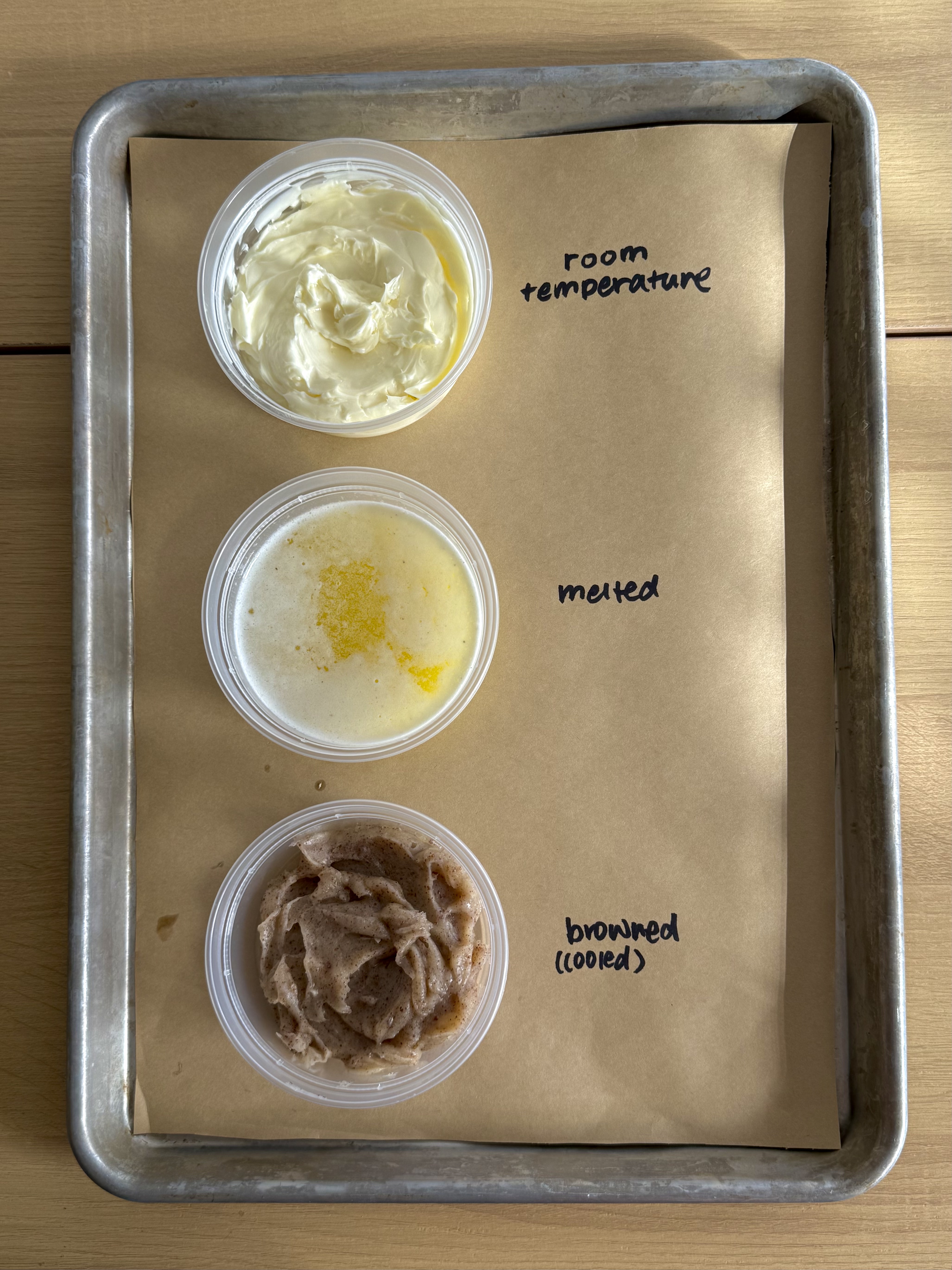
Today, we’re experimenting with butter by playing around with it’s temperature. This allows us to best control the levers of butter composition we discussed above. I’m making batches of cookies with softed/room-temperature butter, melted butter, and browned butter.
For all batches today, I’m using Not Without Salt’s recipe for Chocolate Chip Cookies1, but with a few changes. I also converted the measurements to grams (metric > imperial system always for baking). Then I just directly swapped out the butter with the test target for that batch. For reference, here’s the converted measurements I used:
- 1 stick unsalted butter
- 223g white sugar + 15g molasses, mixed until homogonous 2
- 1 eggs
- 1 tsp vanilla
- 210g all purpose flour
- ¾ teaspoon baking soda
- ¼ teaspoon salt (heaping)
- 5oz semi-sweet chocolate chips 3
- Flaky salt to garnish
Dough
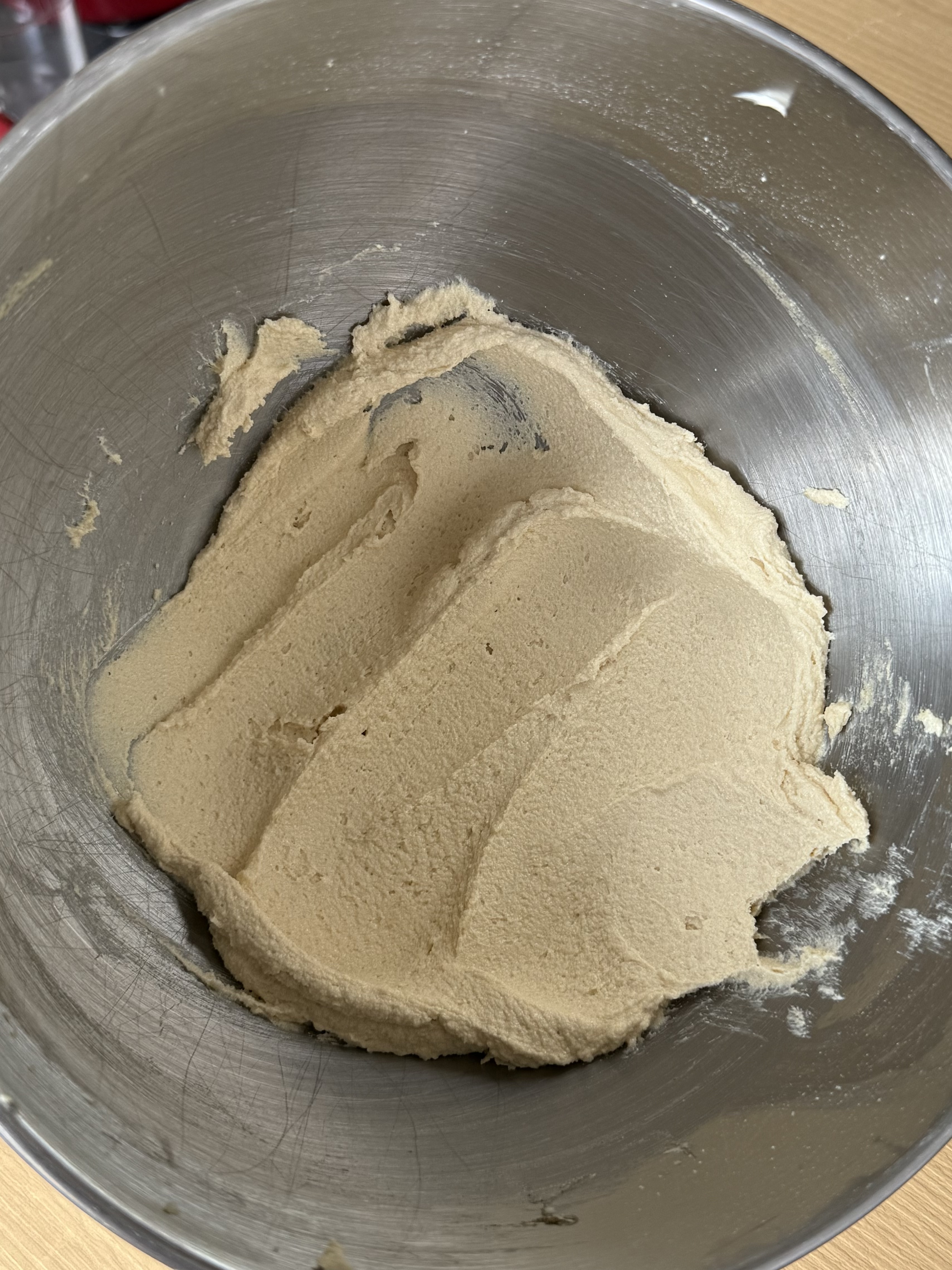
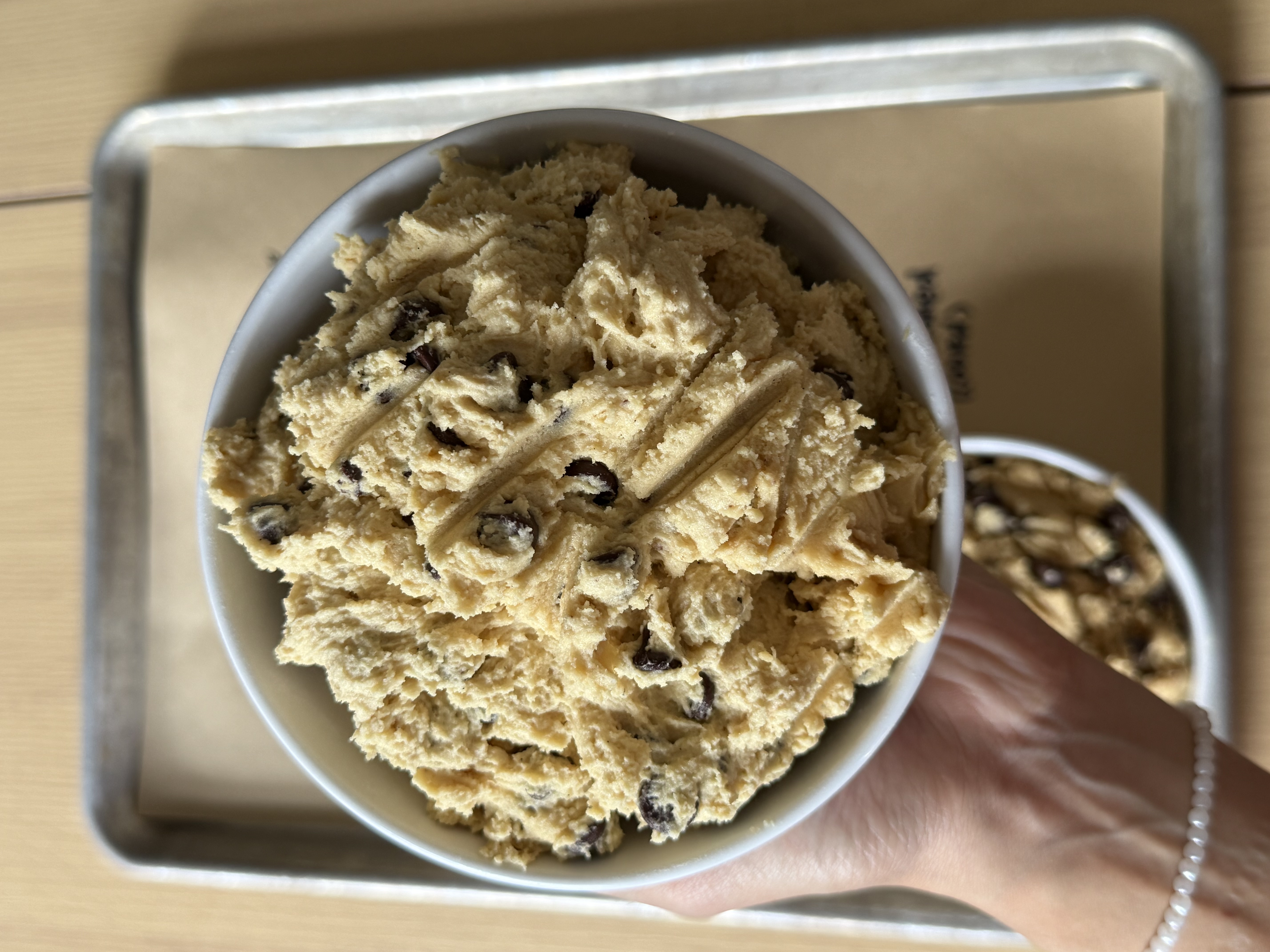
Room temperature butter
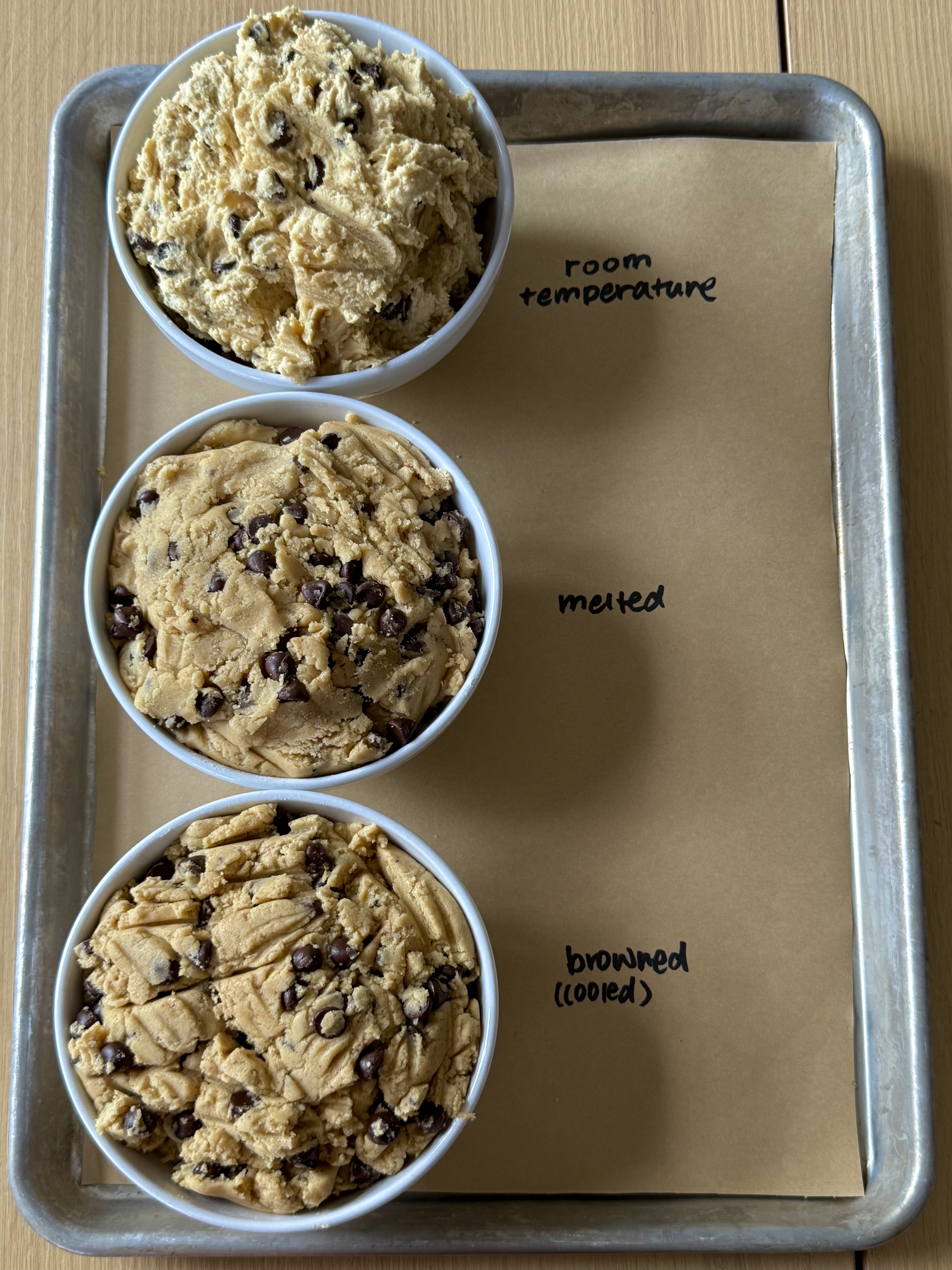
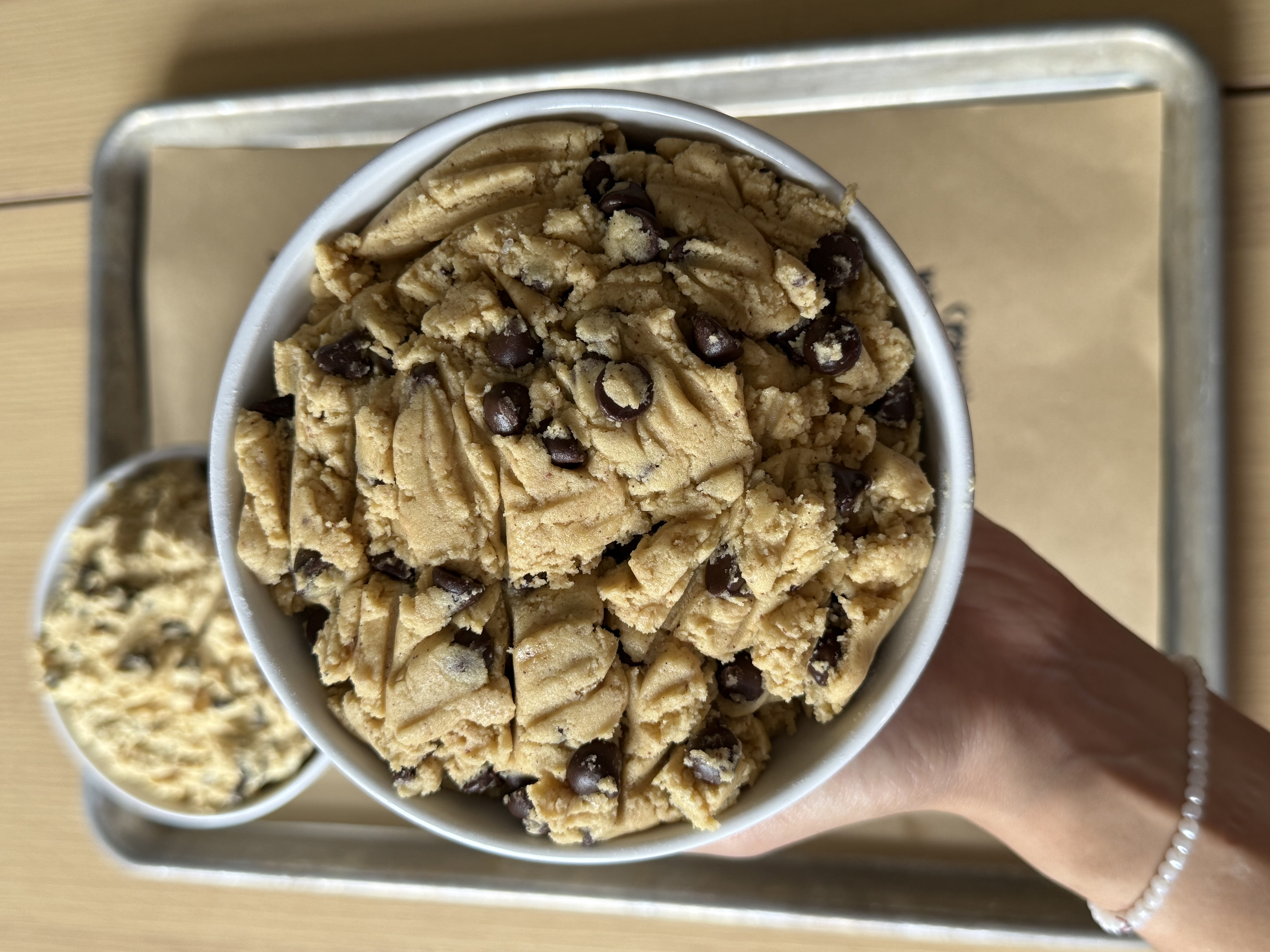
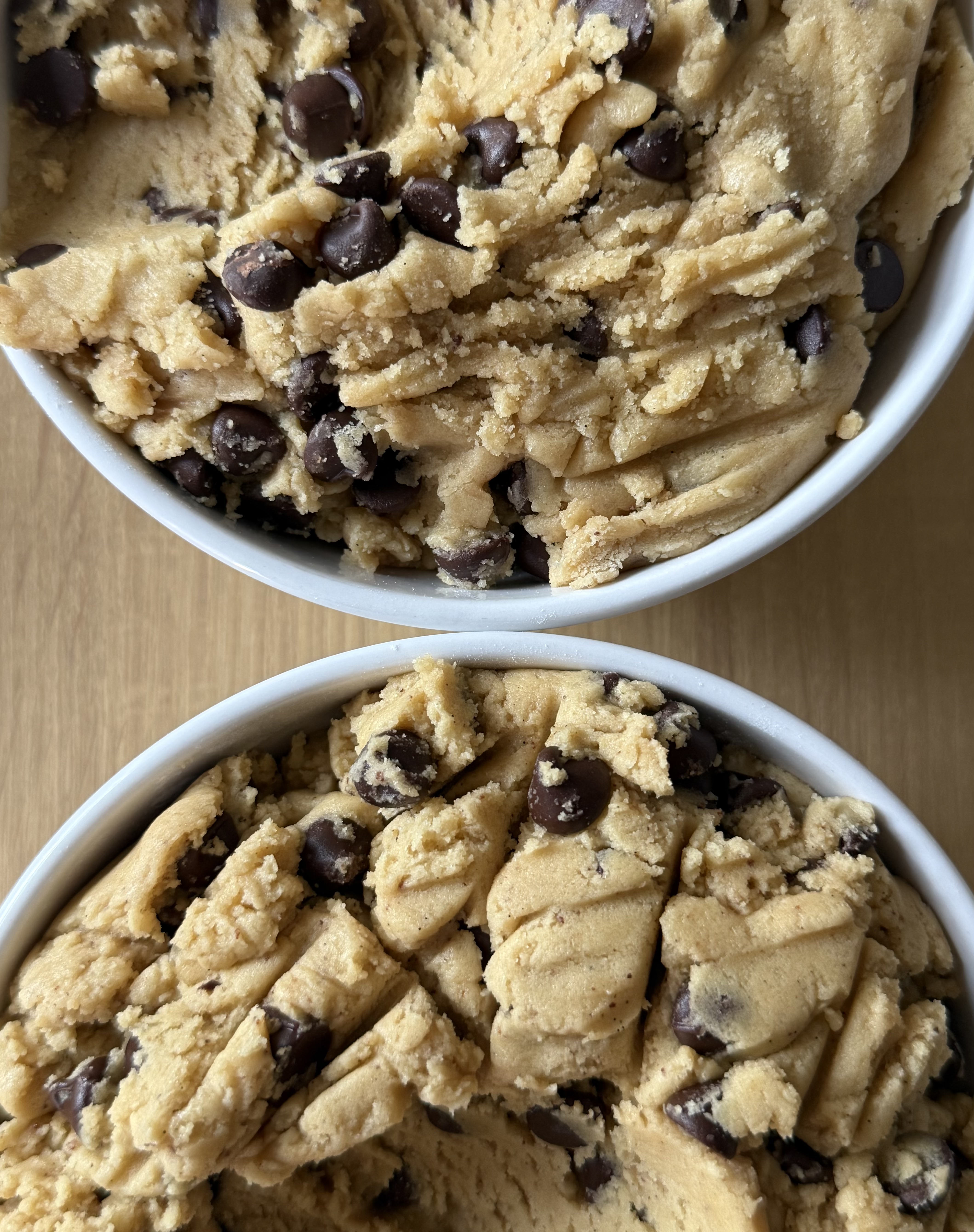
Because room temperature butter is still in a solid form, we were able to whip the butter and sugar together until it got light and fluffy. This made the dough much lighter in color compared to the other two doughs. It also had more volume, almost similar to a frosting texture, which held on to the chocolate chips better than the other two doughs, which seemed to suffer from the chocolate chips popping out of the dough left and right.
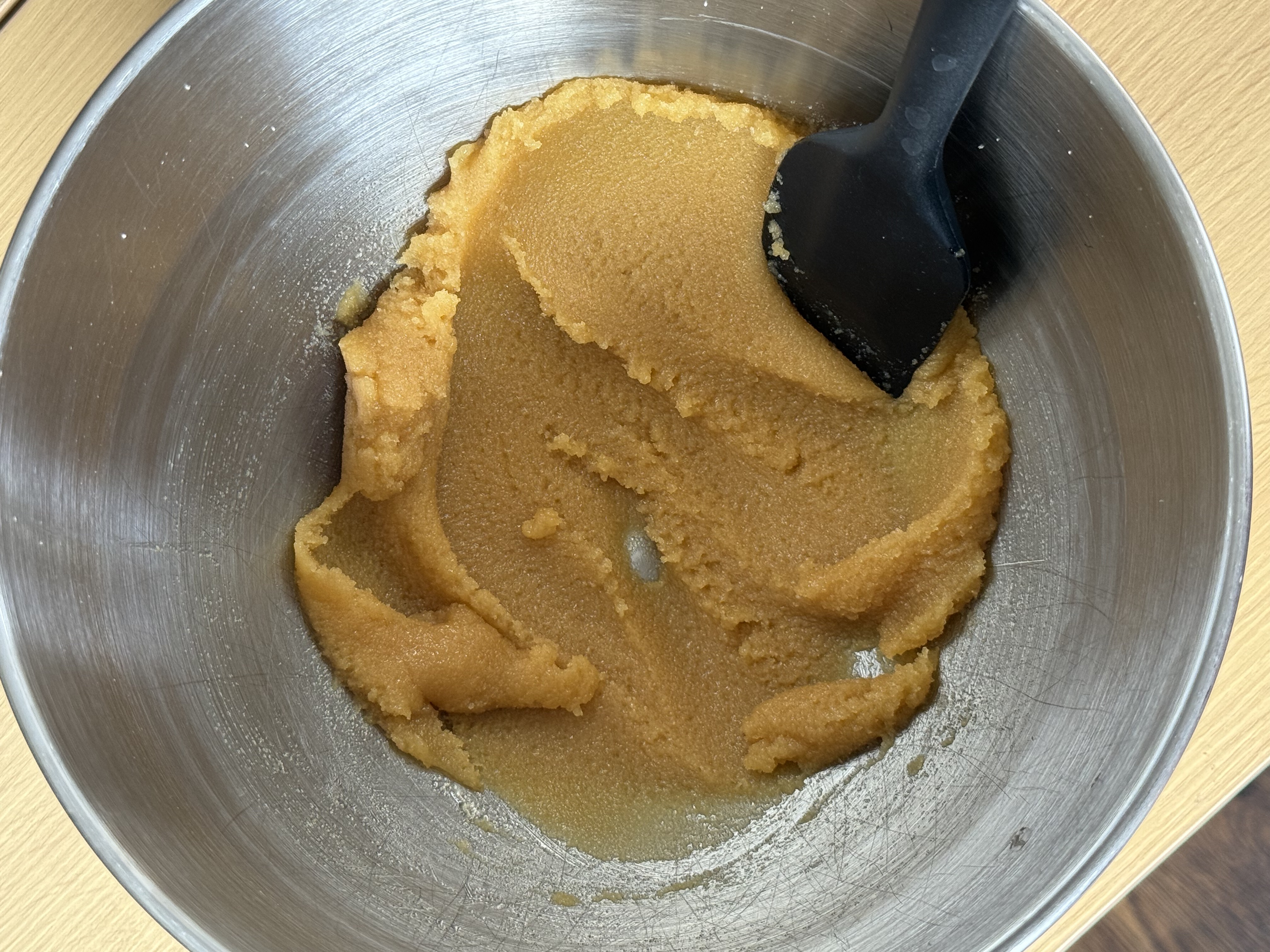
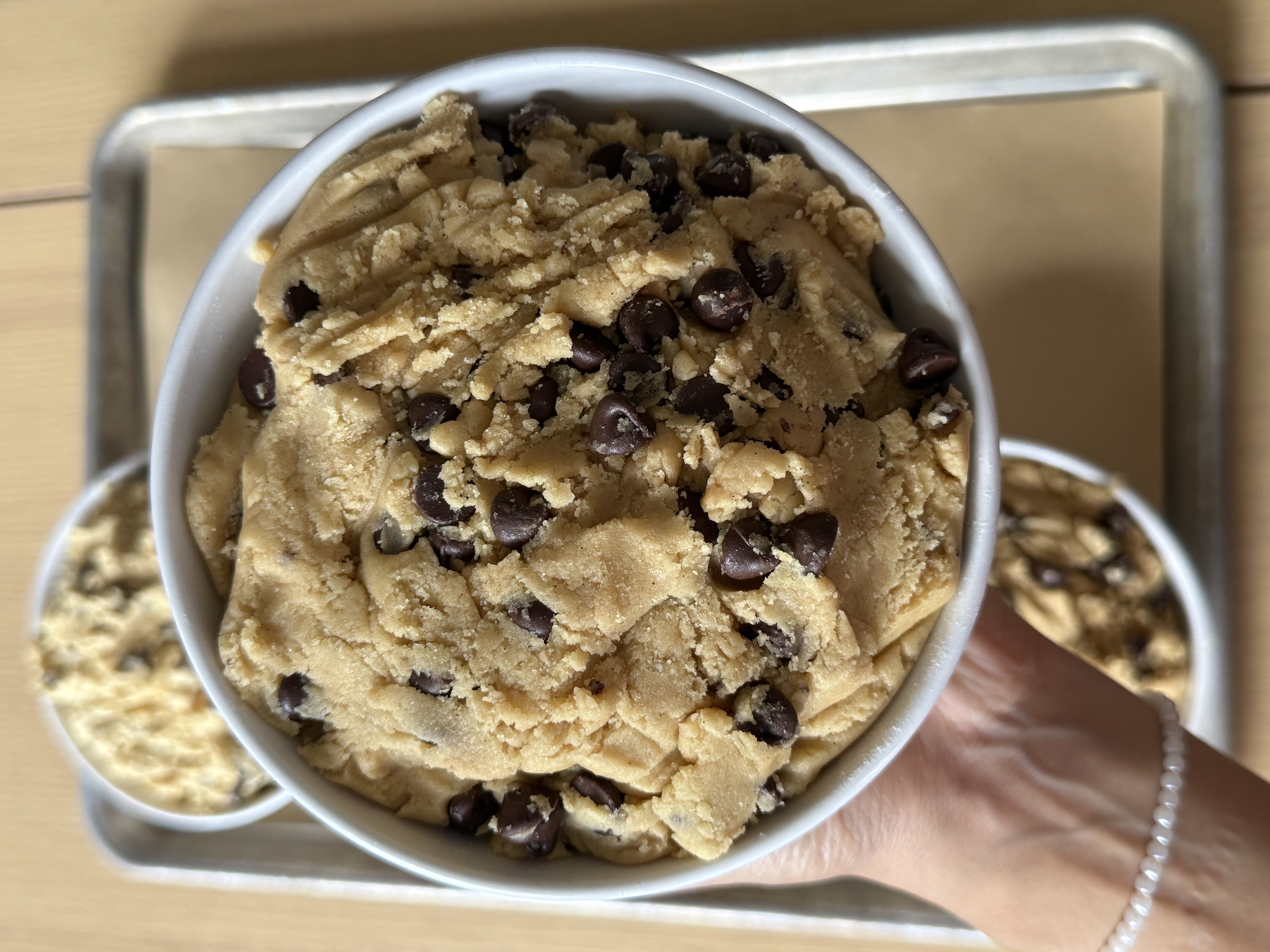
Melted butter
Melted butter cannot have any air whipped in to it, so it instead becomes more of a wet sand texture with the sugar. The end dough was substantially darker than the one made with room temperature butter, and had a more dense and true dough-like texture. The chocolate chips, as previously mentioned, were completely popping out though.

Browned butter
To make browned butter, we start by melting butter in a pan, but continuing to heat it until the butter becomes foamy and we see golden brown toasted bits settling to the bottom of the pan. In this process of “boiling” the butter, we’re cooking off much of the water. Typically recipes that use browned butter will reincorporate water to some extent, whether than be by mixing it with normal butter or literally adding some water back. I chose not to do that today to try to highlight the difference browning butter might make on the cookie.
After browning the butter, I allowed it to solidify in the refrigerator for a bit. This resulted in a texture similar to room temperature butter, so I similarly whipped it with the sugar to create the same light and fluffy texture. The butter and sugar mixture did get there halfway - you can tell it’s much lighter in color to the one with melted butter, but, unlike the room temperature butter and sugar, you can still distinctly see the sugar granules with them having no water to dissolve them. Despite this, the finished dough ended up astonishingly similar to the melted butter dough, but you can see the little flecks of browned butter (if you see flecks in the other doughs, it’s because I used vanilla bean paste).
Cookies
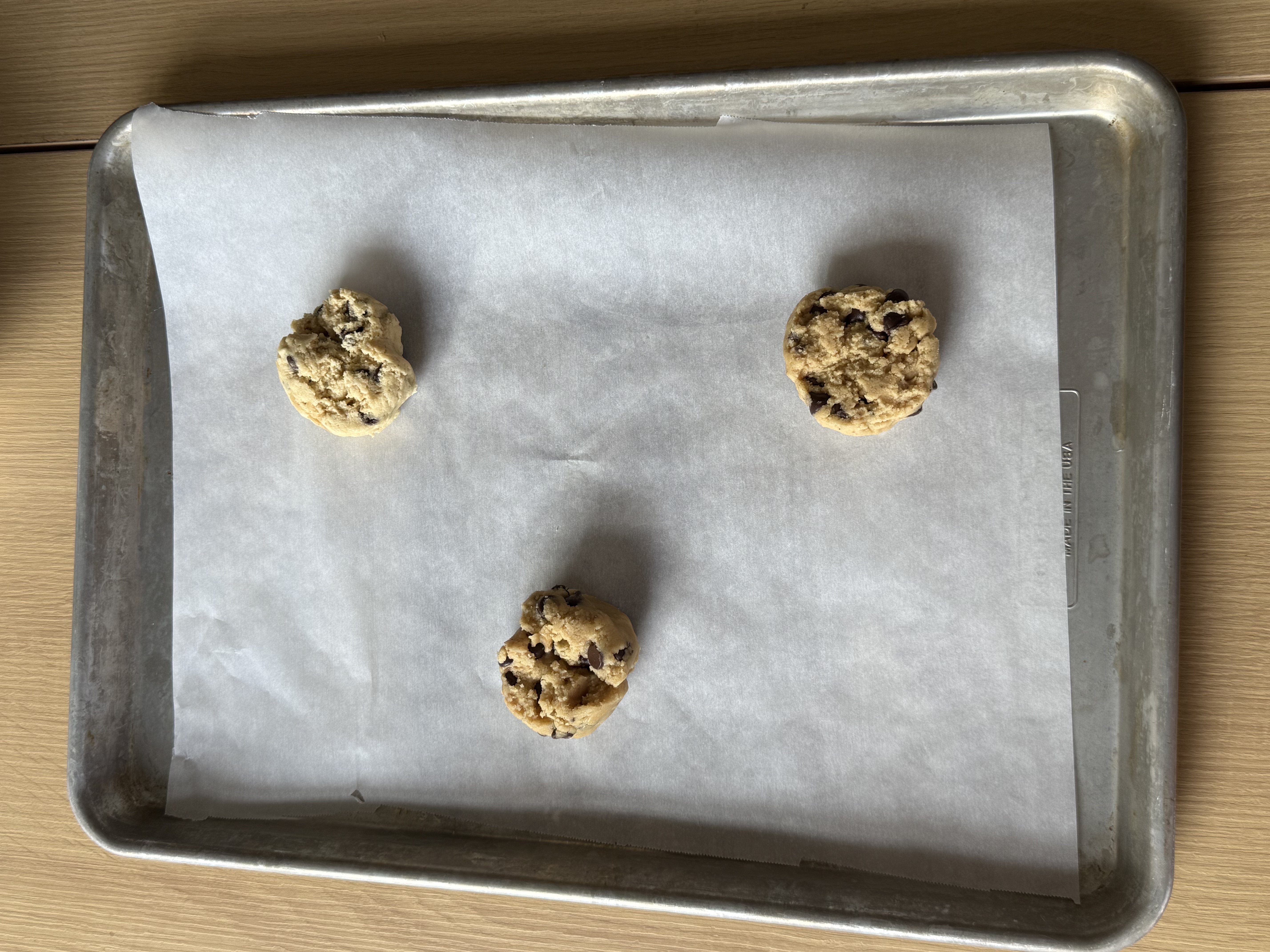

I placed a dough ball from each batch on the same sheet tray to control for baking fluctuations between batches and topped with some flaky salt (mandatory for chocolate chip cookies). 350°F and 14 minutes later, we’ve come out with 3 delicious but different looking cookies.
Appearance
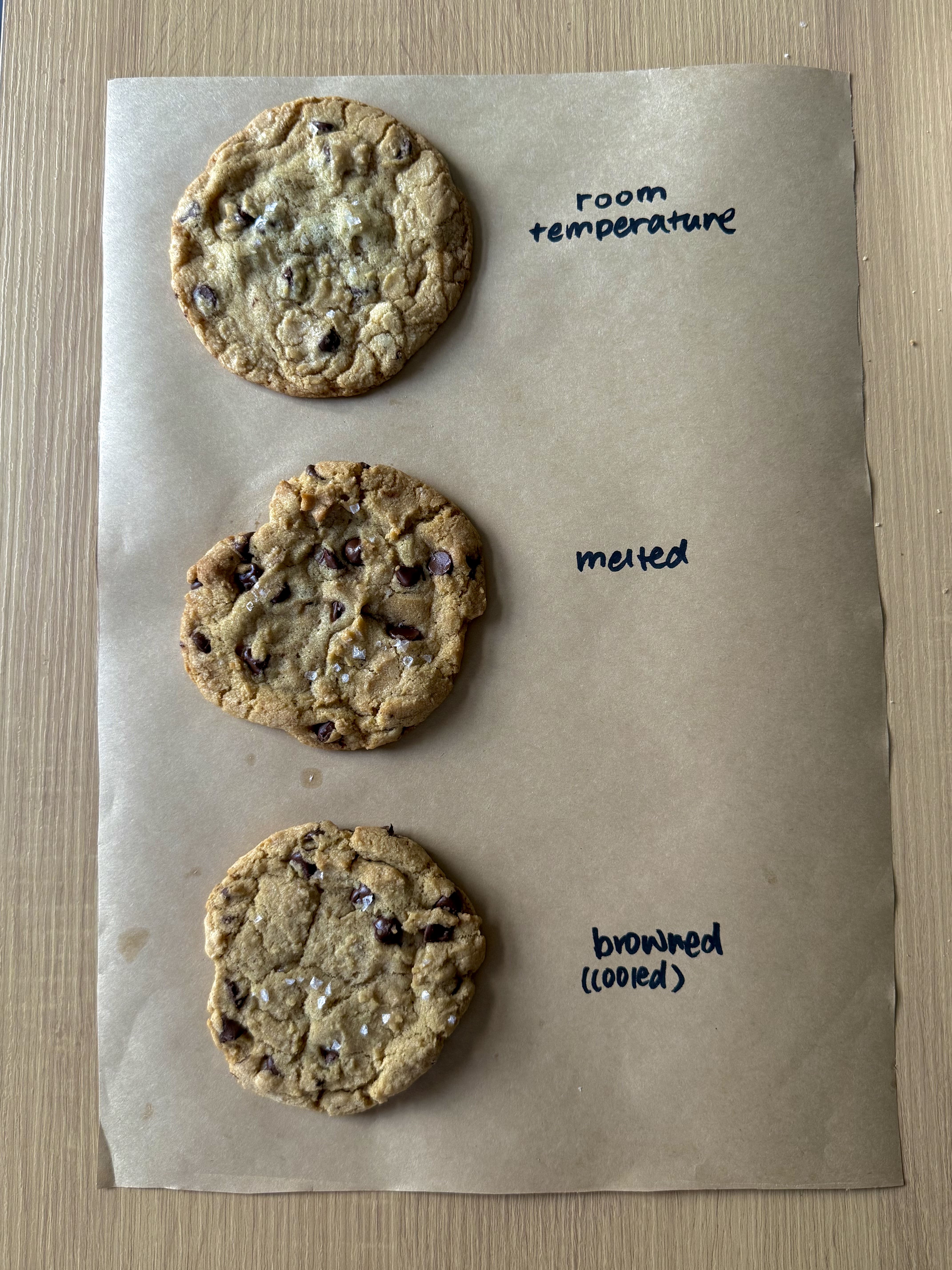
The color of the dough did end up translating to the color of the final cookie. We can see that the room temperature butter cookie is lighter than the other two cookies. There is also a slight difference in the finish between the cookies. The room temperature butter cookie has more of that light crackly top effect you tend to see on good brownies, as opposed to the browned butter cookie that has a duller and rougher finish. This is due to the water content in the room temperature butter that caused the sugar granules to dissolve during the whipping process. This dissolved sugar creates an even layer on top of the cookie, from which water evaporates out and leaves a thin and shiny finish. The undissolved sugars in the browned butter cookie, on the other hand, are what create the rouger finish. The melted butter cookie had a finish a bit more sunken in and “wet” looking.
Spread
I noticed was that the room temperature butter cookie had flattened out the most. Immediately upon taking the cookies out of the oven, this cookie had the most rise. It looked like a little dome. But as it sat and cooled off, that dome slowly deflated until it became completely flat. This is that steam effect I talked about earlier at work. The steam caused the cookie to inflate outward and subsequently deflate, which caused the dough to spread out thinner across a larger area. This is in constrast to the melted and browned butter cookies, which tended to spread straight out and had less deflation than the room temperature butter cookie. In the end, these cookies appeared closer in shape to the dough ball I had put down initially and maintained a bit more thickness.
Texture
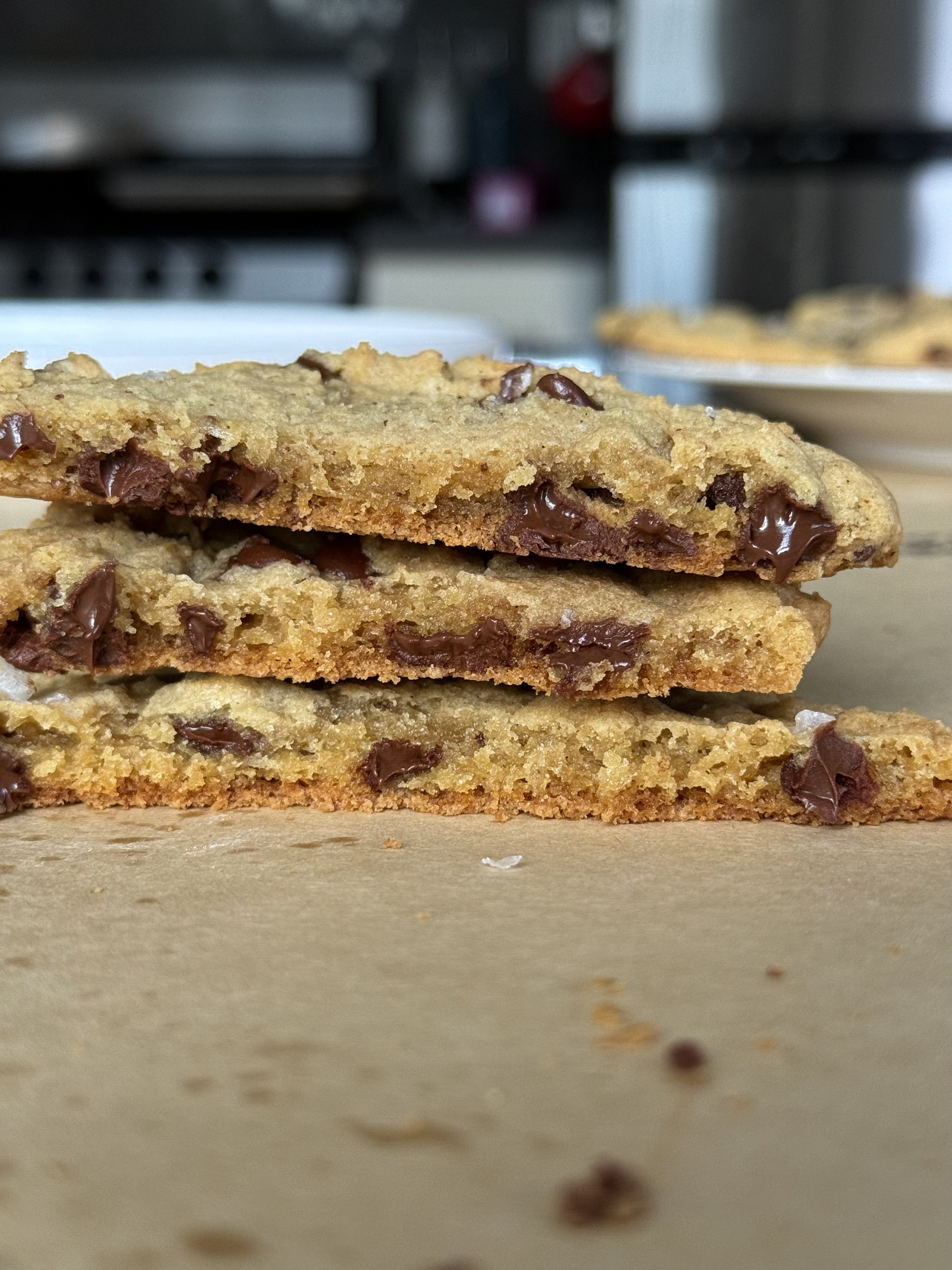
When we break open the cookies, we’ll see that the room temperature butter cookie has a noticeably more open crumb as opposed to the other two cookies (look closer to the edge to see a better comparison). Both the melted butter and browned butter cookies have a denser, almost greasy looking center.
The room temperature butter cookie had a lighter, airier crisp - closer to a shatter - whereas the melted butter cookie had a crisp closer to a harder crunch. The browned butter cookie had a crisp, but one that had a slight give and was not quite as sharp as the other two.
Both the melted butter and browned butter cookies had a noticeably more dense and chewy mouthfeel compared to the room temperature butter cookie, which had a texture more similar to Tate’s Cookies.
Flavor
The room temperature and melted butter cookies had a very classic cookie flavor. The vanilla and butter flavor came through more, making the cookies taste a bit closer to a sugar cookie or vanilla cake. The browned butter cookie, though, had almost a savory quality to it and an end cookie that did taste noticeably less sweet than the other two despite having the same amount of sugar.
Conclusions
When it comes to me personal preference, I found I liked the airy crisp on the edges of the room temperature butter cookie and the depth of flavor of the browned butter cookie. I tend to prefer chewier cookies, but I didn’t actually find that using melted butter gave the exact effect I wanted since it tended to lean more toward greasy/dense than chewy. I think playing around with different sugars might make a bigger difference on this axis (spoiler alert!). Given this, I’m thinking my ideal cookie will likely want to be a mix of room temperature butter with the whipping method and browned butter. This also let’s the vanilla flavor shine through more since I found the all browned butter cookie to be perhaps too savory.
Some things I’m interested in experimenting with now is how adding water back in to browned butter might make a difference to the cookie. I liked the look of the shiny top on the room temperature butter cookies over to the duller and rougher look of the all browned butter cookies. Adding back some of the room temperature butter should help, but it may perhaps be good to add a bit more water to make up for the browned butter.
Despite breaking down the qualities of each cookie at length, the cumulative differences between the cookies were not drastic. In fact, I ended up bringing the extra cookies to a Friendsgiving later that day, and my friends could not tell a difference between them. However, I think this is just the result of changing one component of a cookie recipe at a time. The subtle changes can be barely perseptible when isolated, but when combined can create different effects on the final cookie - or at least that’s what my hypothesis is, or else I will be 100+ cookies deep for nothing.
Next part: sugar.
References
- Serious Eats: The Food Lab - Chocolate Chip Cookies
- America’s Test Kitchen - The Perfect Chocolate Chip Cookie
- King Arthur Baking - The secret to fudgier cookies? It’s all about the butter.
- Eater - Why Is Butter Temperature So Important in Baking?
Footnotes
-
I think the original blog may have been taken down, but I found this rewritten recipe and followed this instead. I chose to use Not Without Salt’s recipe on a quick skim of [Pancake Princess’s Best Chocolate Chip Cookie Bakeoff](Pancake Princess’s Best Chocolate Chip Cookie Bakeoff) and a whim. ↩
-
I didn’t have brown sugar or turbinado sugar, so I used white sugar + molasses. Upon reflection of using this recipe, I think I’d likely reduce the amount of sugar I used since it was a little sweet for me, but I might have also just converted it inaccurately. ↩
-
This is a reduced amount from the original recipe because I wanted to analyze the cookie texture more and felt the chocolate would distract. If I were to make this again for experimenting, I’d reduce the chocolate even more to 3-4oz. ↩